Memory and the Past
Pedro PáramoMemory and the Past is a force that shapes how Comala is seen, desired, and mourned. The past does not remain behind the characters: it arrives through a mother’s descriptions, the recollection of a departure, remembered seasons and family life, and Pedro Páramo’s account of waiting for Susana San Juan. These memories make the present legible, but they also reveal what it cannot restore. Comala is both a place people remember and a place transformed by absence; recollection keeps its images alive even as it sharpens the loss separating them from the present.
Inherited Ways of Seeing
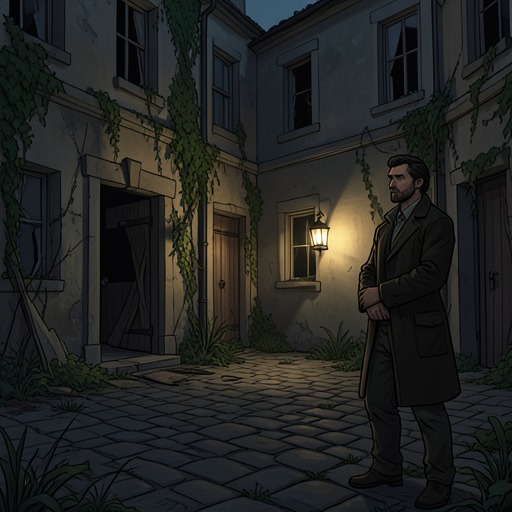
Juan Preciado understands his journey to Comala as an act of looking through Dolores Preciado’s memory. He feels that her nostalgia and sighs shape what he sees, and says that she has given him her eyes. Her repeated longing to return matters because she never makes that return herself: Juan goes in her place, carrying a remembered Comala into a present she did not live to revisit. The journey is therefore not simply toward his father. It also follows the impressions his mother passed on to him.
Those impressions are unusually concrete. Dolores had described the view from beyond the Colimotes pass: a green valley, yellowing where the maize ripened, with Comala whitening the earth and lighting it at night. The remembered scene gives Juan an image with which to approach the village, but does not guarantee that he will find it unchanged. The recollection belongs to his mother, and its quiet, fading delivery makes the past feel at once intimate and already receding. Juan inherits not just a landscape but a way of longing for it.
Landscape Held in Sensation
Another remembered image gathers the green expanse of fields, the horizon rising and falling in the wind, the evening breeze moving through the ears of grain, and the colors, smells, and taste associated with the land. The village is recalled through the scent of honey, as well as the smell of alfalfa and bread. Such details give memory a bodily texture: a place survives not as a map alone, but as a collection of sensations that can be summoned in words.
The rainy season makes that sensory memory especially vivid. Juan recalls his mother describing clouds surging over the land and changing its colors, along with the green smell of new growth. He wonders whether the sky he cannot see might still be the sky she knew. His question draws a quiet line between continuity and change: the sky might remain, but the son cannot confirm it, and his mother’s descriptions have become the means by which he imagines what is absent. Memory supplies an image where direct perception fails, while leaving the difference between image and present experience unresolved.
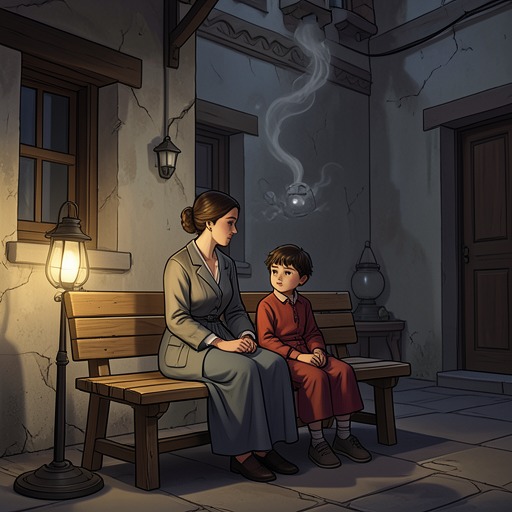
A separate recollection of February gives the past another seasonal shape. A female speaker remembers the month when lemons ripened, the mountain wind that broke fern stems, and the scent of ripe fruit filling an old courtyard. Clouds wait above the valley while wind moves dust and shakes orange branches; sparrows peck at fallen leaves, scatter feathers among thorny branches, and chase butterflies. The memory’s measured attention to small changes in weather and animal life makes the season feel abundant. Its detail is not incidental: it offers a remembered world whose liveliness stands against the speaker’s present solitude.
Departure and the Memory of Home
Memory can preserve not only a place but also the contradiction someone attached to it. In a recollection of a woman leaving, the departing figure is described as reddened by the evening sun, with the dusk staining the sky behind her. She had said that she loved the village for the person addressed, yet hated it in every other respect, even because she had been born there. The remembered departure ends in the speaker’s conviction that she will never return. The village is thus bound to affection and aversion at once; leaving does not settle those feelings but gives them a permanent scene to return to.
The memory also illustrates how recollection can make absence feel certain before it is confirmed by time. The speaker sees the woman receding and interprets the departure as final. Her remembered smile and the blood-colored dusk remain joined to the prediction that she will not come back. What lasts is not an uncomplicated portrait of home, but an image in which attachment and rejection share the same place and the same moment.
Recollection Against Present Reality
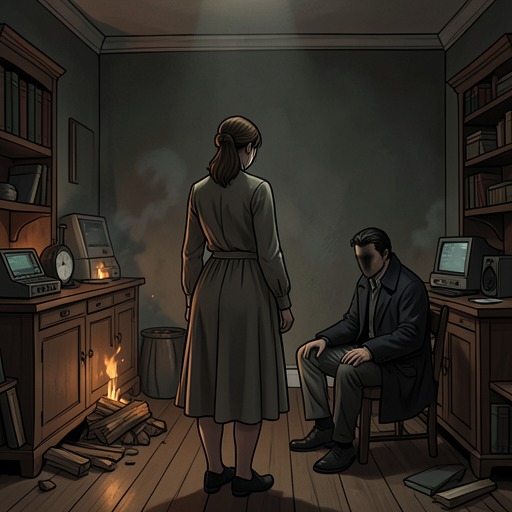
The novel places remembered domestic intimacy beside the knowledge of death. A female speaker lies in the bed where her mother died, recalling the same mattress and the black wool blanket in which they once wrapped themselves. She remembers sleeping in the small hollow her mother made in her arms, and the rhythm of her mother’s breathing, heartbeat, and sighs. For a moment, those memories seem to restore the closeness of childhood and offer relief from solitude.
That restoration is then explicitly withdrawn. The speaker recognizes that she is not in her mother’s bed but in a black coffin used to bury the dead, and that she is dead herself. The contrast does not erase the remembered warmth; it makes its distance unmistakable. Memory gives the speaker a place to turn when faced with solitude, but it cannot change where she lies or return the mother whose presence the recollection briefly recreates. The past is emotionally vivid precisely where the present makes its limits plain.
Desire, Waiting, and the Irrecoverable Past
Pedro Páramo’s recollection of Susana San Juan presents memory as a record of desire organized around waiting. He recalls having waited thirty years for her return and having sought to possess everything he could, until she alone remained as the desire he could not satisfy. His memory also revisits the practical efforts he made to see her again: he repeatedly invited her father, Bartolomé, to return, even falsely offering him the position of steward because he wanted Susana near him.
That history contains its own evidence of distance. Bartolomé tore up Pedro’s letters, and Pedro learned through the messenger that Susana had married. Later, he heard that she had become a widow and was again living with her father. The recollection gathers these stages not into a reunion but into a long interval of failed contact and delayed news. It shows how the past can preserve the shape of a desire without fulfilling it: Pedro’s accumulation of wealth and influence is remembered as leading toward Susana, yet what the account finally exposes is the duration of his waiting and the barriers between them. Across these different voices, memory is both inheritance and return, but never a simple recovery. It keeps Comala’s landscapes and lost intimacies present while making their irreversibility harder to evade.